July 29, 2026
Selecting the right material to seal and protect a property is one of the most critical decisions a building owner can make. Proper thermal barriers significantly impact indoor climate control, monthly energy expenditures, structural moisture protection, and overall living comfort. However, navigating the modern building supply market often feels overwhelming due to the wide variety of materials and installation techniques available. Property owners frequently encounter three primary options: spray foam, fiberglass, and blown-in materials. Each material offers distinct physical characteristics, performance capabilities, installation demands, and long-term financial implications.
Evaluating these options requires a clear understanding of how heat transfers through structural boundaries and how different materials restrict that thermal movement. Furthermore, working with professional insulation companies ensures that whichever material you choose is installed according to strict safety standards and building codes. Making an informed choice prevents costly retrofits, lowers utility bills, and creates a healthier, more consistent indoor environment throughout every season of the year.
Analyzing Spray Foam Insulation Performance
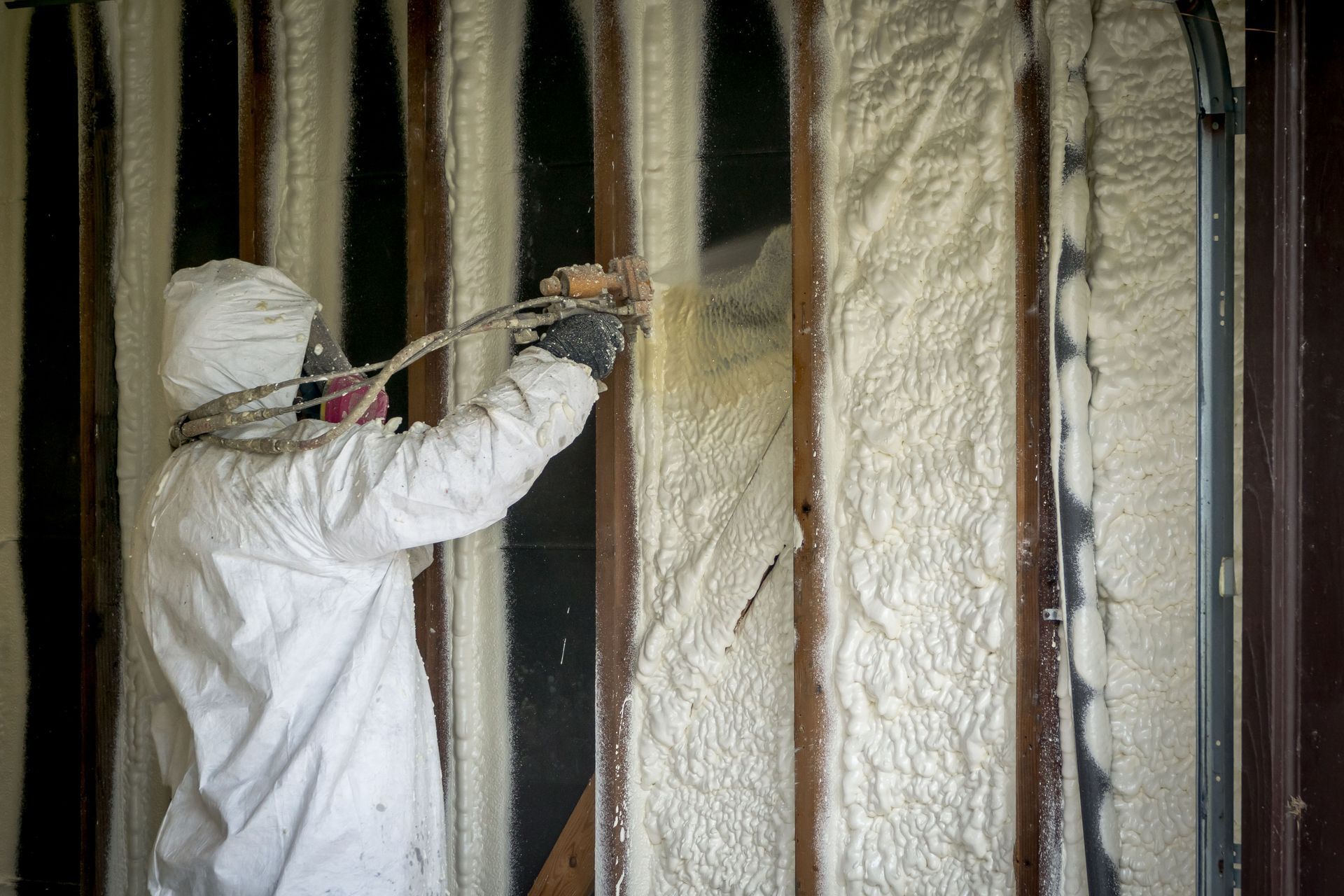
Spray foam stands out as one of the most advanced and high-performing thermal barriers available on the market today. Applied as a liquid state that rapidly expands into dense foam, this material expands into tiny crevices, gaps, and awkward structural cavities that traditional materials often miss. This expanding action creates a virtually seamless seal that simultaneously blocks heat transfer and air leakage, eliminating the need for separate air-sealing products in many applications.
According to Bob Vila, spray foam insulation is up to 50% more efficient than other insulation types. This superior thermal efficiency stems from its unique cellular composition, which creates millions of microscopic air pockets that inhibit heat migration. Beyond simple temperature regulation, open-cell and closed-cell spray foam varieties offer additional benefits such as moisture resistance, noise reduction, and structural enhancement. Closed-cell foam, in particular, becomes extremely rigid upon curing, actually adding structural integrity to wall assemblies and roof decks. Because improper mixing or application can lead to lingering off-gassing issues or performance gaps, hiring certified insulation companies is essential when choosing this high-tech solution.
Evaluating Fiberglass Batt Insulation Basics
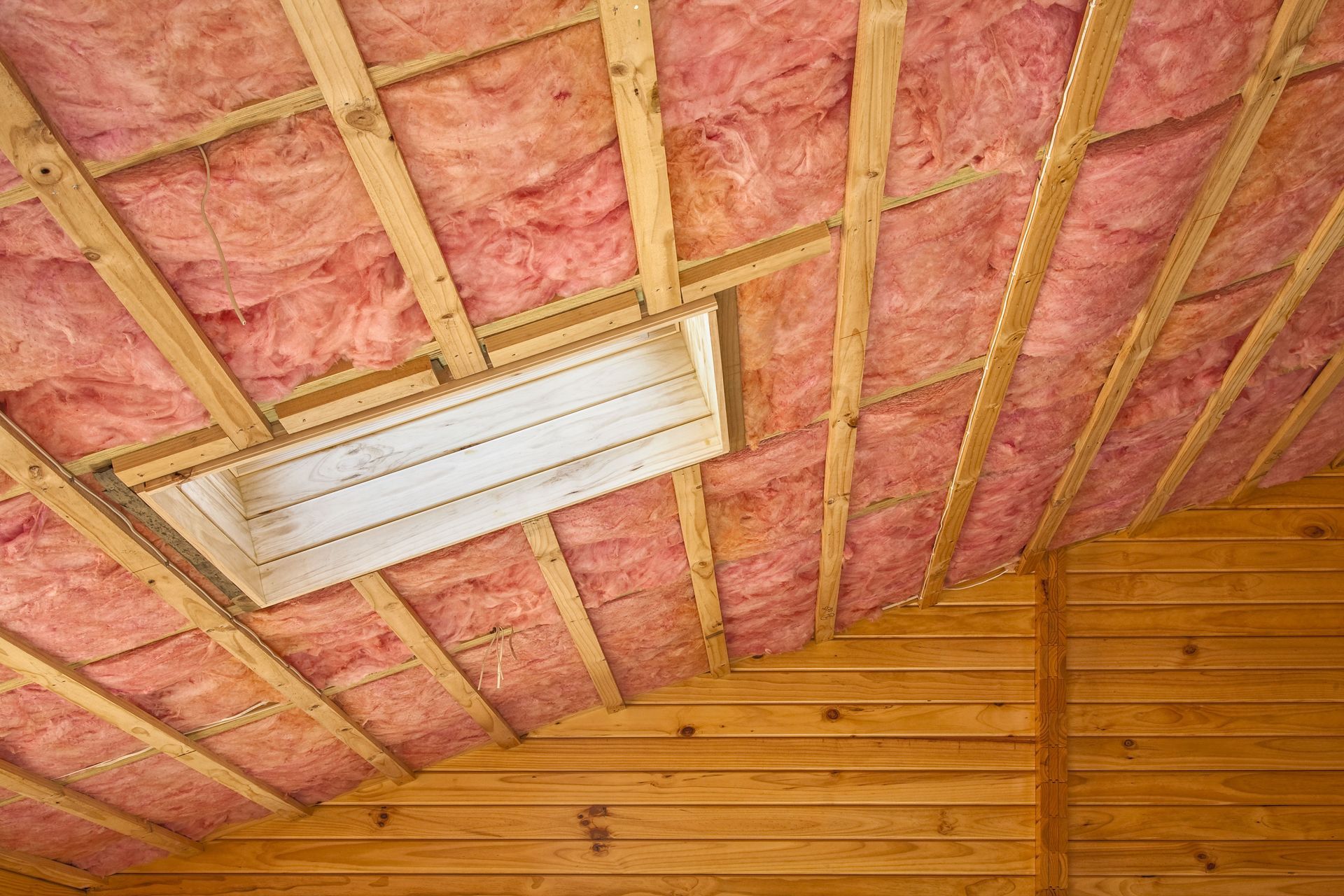
Fiberglass batts represent one of the oldest, most recognizable, and widely utilized forms of thermal protection in residential construction. Composed of extremely fine glass fibers woven together into flexible blankets or pre-cut batts, this material works by trapping pockets of still air within its glass matrix. It is manufactured in standardized widths designed to fit neatly between traditional wall studs, floor joists, and ceiling rafters, making it a familiar choice for builders and contractors.
The primary appeal of fiberglass lies in its widespread availability and relatively low upfront material expense. It offers decent resistance to heat transfer when installed under pristine conditions, and its non-combustible glass composition inherently resists fire. However, fiberglass suffers from significant performance drops if it becomes compressed, exposed to moisture, or subject to air movement. Air currents can easily pass through fibrous blankets, allowing drafty air leaks to undermine the material's thermal barrier. Professional insulation companies take great care to avoid compressing batts around electrical boxes, plumbing pipes, or irregular framing spaces, as compression drastically reduces the material's insulating power.
Examining Blown-In Insulation Application Methods
Blown-in materials, often consisting of loose-fill cellulose or loose fiberglass particles, offer a flexible middle ground between traditional batts and expanding foam. Instead of pre-shaped blankets, this option utilizes small, loose fibers or recycled paper products treated with fire-retardant chemicals. Specialized blowing machines use forced air to distribute the loose material evenly across attic floors or pump it through small access holes into enclosed wall cavities.
This installation method excels at covering wide, open horizontal areas and filling irregularly shaped spaces where standard batts would require excessive cutting and piecing together. In attic applications, blown-in cellulose or fiberglass forms a thick, seamless blanket over ceiling joists, effectively burying potential thermal bridges and filling tiny voids. Over time, however, loose-fill materials can experience settling due to gravity and atmospheric humidity, which slightly reduces their depth and overall thermal performance over extended decades. Maintaining a consistent, fluff-free layer requires specialized blowing equipment and skilled application from qualified insulation companies.
Comparing Thermal Efficiency and Air Sealing
Understanding the difference between thermal resistance and air sealing is crucial when comparing these three material categories. Thermal resistance measures a material's ability to resist conductive heat flow, while air sealing stops convective heat transfer caused by moving air currents. Fiberglass batts and loose-fill cellulose provide passive thermal resistance but do very little to stop air infiltration unless paired with dedicated, meticulously sealed vapor and air barrier membranes.
Spray foam, conversely, combines thermal resistance and air sealing into a single application step. By expanding directly against building substrates, spray foam eliminates the tiny air gaps where drafts, moisture, and airborne pollutants typically enter a structure. While blown-in materials provide better void-filling coverage than rigid batts, they still allow some degree of air movement through their porous structures unless an external sealant is applied. Choosing the right material often comes down to whether a building requires simple conductive heat resistance or a total, impermeable building envelope seal.
Considering Moisture Control and Mold Resistance
Moisture intrusion represents one of the most destructive threats to structural longevity, energy efficiency, and indoor air quality. Different materials react to humidity, water leaks, and condensation in drastically different ways. Fiberglass batts absorb moisture easily, which causes the glass fibers to clump together, lose their structural loft, and drop their insulating effectiveness. Furthermore, damp fiberglass paired with wood framing creates an ideal breeding ground for mold and mildew growth.
Blown-in cellulose is often treated with borate compounds to resist fungal growth and deter pests, but heavy water exposure can still cause the dense paper fibers to hold moisture against wooden structural members, leading to rot. Closed-cell spray foam, on the other hand, acts as an effective vapor barrier and does not absorb water. Even if a plumbing leak or roof breach occurs nearby, closed-cell foam will not soak up moisture, lose its shape, or support mold proliferation. Experienced insulation companies evaluate regional climate conditions, humidity levels, and potential water exposure before recommending a specific material for below-grade basements, crawlspaces, or high-humidity attics.
Assessing Long-Term Investment and Longevity
Evaluating the true financial value of thermal materials requires looking past the initial installation invoice and considering long-term operating costs, durability, and replacement lifespans. Traditional fiberglass batts offer the lowest initial installation expense, but their tendency to sag, accumulate dust, and suffer from air leakage often results in higher monthly utility costs over the lifespan of the building. Additionally, pest infestations or water damage frequently necessitate partial or complete removal and reinstallation.
Blown-in solutions offer a modest upfront cost with better coverage than batts, though periodic top-offs may be required after several years to combat natural settling and restore original performance depths. Spray foam carries a higher initial investment due to chemical raw material costs and specialized application equipment, but it yields substantial ongoing savings on heating and cooling utility bills. Furthermore, spray foam does not degrade, sag, or settle over time, often lasting for the entire physical lifetime of the building without requiring replacement.
Partnering with reputable insulation companies ensures that your initial investment delivers optimal thermal performance and maximum utility cost reductions for decades to come.
Optimizing your property's thermal barrier demands thoughtful analysis, quality materials, and precision application tailored to your building's unique architecture. At Glenco Foam & Insulation, we are committed to helping you protect your property, enhance indoor comfort, and maximize energy savings through top-tier thermal solutions. Contact us today to learn how our expert team can transform your building's energy efficiency and overall comfort.